
W. A. Mozart – Lorenzo Da Ponte
Le nozze di Figaro
A sparkling comedy of love, lust, power and perfect chaos
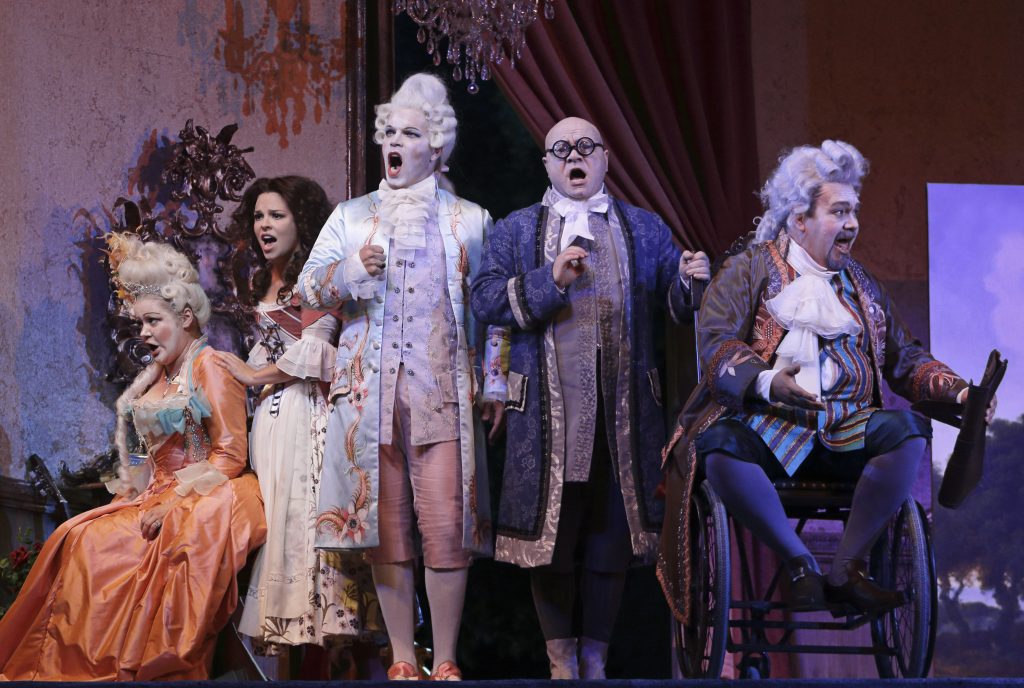
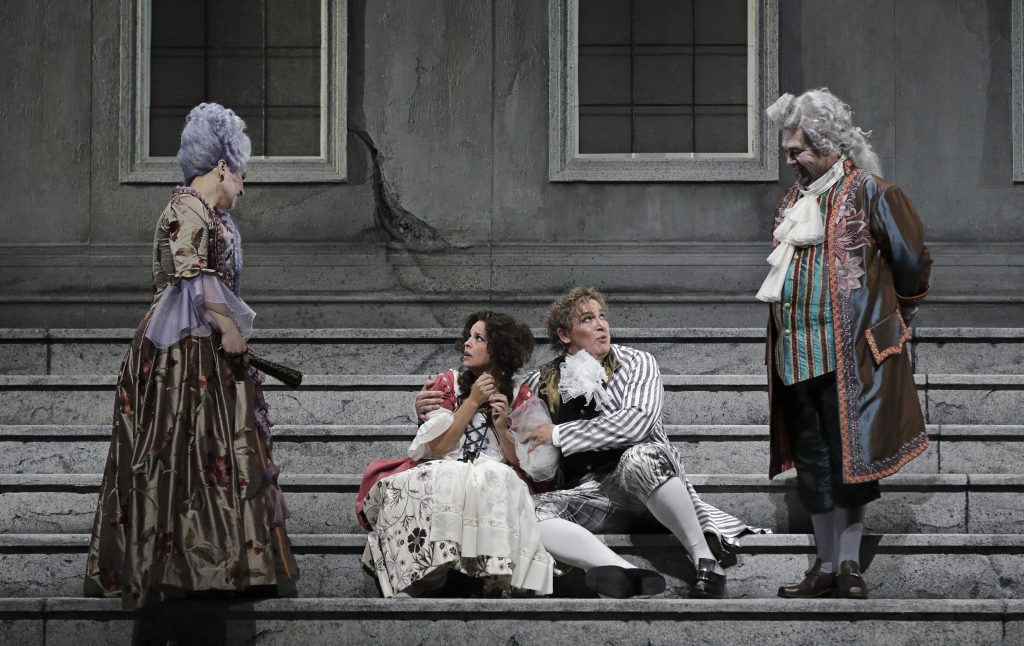
Marcellina plans to marry Figaro, who is engaged to Susanna, who is pursued by the Count, whose wife is infatuated with Cherubino…
This tangled web of relationships, combined with Wolfgang Amadeus Mozart’s radiant music, results in a timeless comedy about human desires and emotions. This is an opera brimming with laughter!
Yet significant social issues simmer beneath the light-hearted period drama, from the power relations between nobility and servants to questions of manipulation and equality. Anna Kelo’s direction explores the balance of power between social classes and genders with both playfulness and sharp insight.
“Le nozze di Figaro is the world’s best opera. The libretto and the music combine seamlessly, and all the elements fit together to create a perfect end result.”
– director Anna kelo
Reviews
An absolutely amazing performance. If an opera makes you laugh in the middle of the working week, there’s no better way to escape everyday routines. The performers were excellent, and the sets and lighting were amazing. Thank you for a delightful evening!
– Audience feedback
This is a perfect opera and Anna Kelo certainly knows how to pay homage to it.
– Lukupino blog, 15.10.2016
Wonderful, unpretentious merrymaking and beautiful songs. Lovely and light comic opera to contrast the dark, gloomy season. Thank you!
– Audience feedback
Tickets and performances
Synopsis
What has happened before the opera begins: Figaro, formerly a self-employed barber in Seville, assisted Count Almaviva in his pursuit of Rosina, the ward of Doctor Bartolo. Almaviva and Rosina are now Count and Countess, and Figaro is in the Count’s employ as his valet, planning to marry the Countess’s lady’s maid Susanna.
Read full synopsis
Act I
Figaro measures out the room that the Count has promised as quarters for him and Susanna once they are married. Susanna reveals that the Count desires to exercise his historical droit de seigneur entitling him to sleep with her on her wedding night, despite the fact that the Count has formally renounced that right. Figaro now realises why the Count is keen to have Figaro and Susanna accompany him when he is posted to London as an ambassador.
This is not the only cloud on the horizon of the wedding day. Figaro once borrowed money from Marcellina and by way of collateral promised to marry her if he could not repay her. Marcellina, aided and abetted by Bartolo, is now calling in her debt.
The next person we are introduced to is the young Cherubino. He is a page who is being banished from the castle, because the Count had discovered him in the chamber of Barbarina, another servant girl. Cherubino is in fact in love with the Countess and hopes to appeal to her to solve his predicament. The Count suddenly enters, upon which Cherubino hides behind a chair and hears the Count ask Susanna to a secret assignation in the garden. Then Basilio, the music teacher, enters. The Count also hides and eventually discovers the presence of Cherubino.
Meanwhile, Figaro has come up with a way to trump the Count’s scheme: he brings a group of peasants to praise the Count for his renouncing of his droit de seigneur. Outflanked, the Count has no choice but to agree to Figaro and Susanna’s wedding. Round one to Figaro, but the threat of having to marry Marcellina has not yet been averted.
Act II
The act opens with the Countess complaining that her husband does not love her any more.
Figaro has already come up with a new plan: if the Count were to receive an anonymous letter revealing that the Countess is to meet her secret lover in the evening, he would become so jealous that he would forget all about Susanna. And if Susanna agreed to the assignation with the Count but the Count were met not by Susanna but by Cherubino in disguise, and if the Countess were then to surprise them, the Count would be mortified.
Susanna begins to dress up Cherubino as a woman. The Count, having already received the anonymous letter, tries to get in. The Countess refuses to unlock the door, explaining that Susanna is trying on clothes. The Count is not convinced and tries to break down the door. Cherubino leaps out of the open window in desperation and is replaced by Susanna. The jealous Count is let in and is amazed to discover that it is indeed Susanna in the Countess’s quarters.
The gardener, however, has seen a man jumping out of the window, at which point Figaro hastily claims that he was the one who jumped. But Cherubino’s military commission papers have also been found in the garden, and Figaro is hard pressed for an explanation. The Countess is off the hook, but Figaro is trapped as Marcellina and Bartolo enter brandishing the marriage agreement and the Count orders it to be executed forthwith.
Act III
The Countess tells Susanna to notify the Count about the assignation in the garden. Figaro enters and Susanna tells him that their case is already won. The Count hears this, realises he is being duped and decides to punish everyone involved.
Figaro refuses to marry Marcellina without permission from his real parents, which is unavailable to him because he is a foundling, abducted as a child. The only proof of his origin that he can present is a birthmark on his right hand. Marcellina and Bartolo are shocked, recognising the birthmark and realising that Figaro is their long-lost son! Marcellina and Bartolo decide to get married.
The Countess wonders what is keeping Susanna and sings of happy days gone by. Antonio, the gardener, reports to the Count that Cherubino is still at the castle, showing his hat as proof.
The Countess dictates a letter to Susanna specifying an assignation with the Count in the evening. The women seal the letter with a pin that the Count is to return as a mark of acceptance.
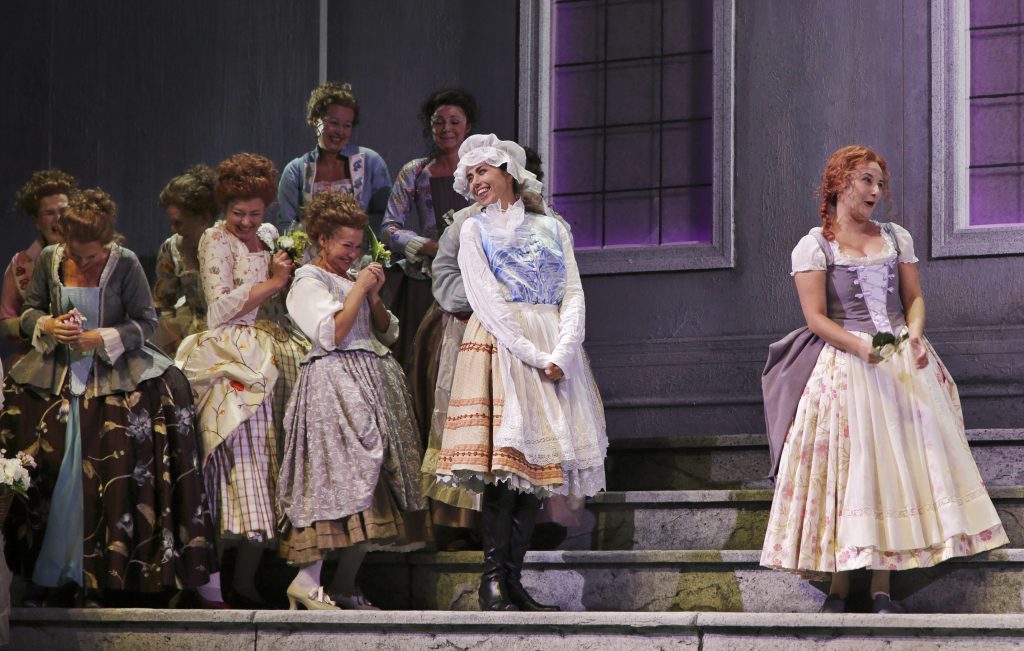
Barbarina enters with a chorus of girls. The Countess is particularly pleased with Barbarina’s cousin, who looks strangely familiar. She turns out to be Cherubino, dressed as a girl. The Count is about to punish him, but Barbarina reminds him that the Count had promised to grant her a wish when she let him kiss her. Her wish is to marry Cherubino.
A double wedding is celebrated: Figaro and Susanna, and Marcellina and Bartolo. Susanna slips the letter to the Count during the dance.
Act IV
In the garden in the twilight, Barbarina is looking for a pin she dropped. Figaro knows that the pin came from the Count’s letter. Suspicious about Susanna’s intentions, he decides to eavesdrop on the meeting.
The Countess and Susanna have exchanged clothes, but Figaro does not know this; he assumes that it is Susanna singing to the Count and curses her for her apparent infidelity. Cherubino, on the other hand, mistakes the Countess for Susanna and tries to kiss her. The Count sees Susanna (as the Countess) leaving with Figaro, he accuses Susanna (as he thinks) of betraying him. But then the Countess (as Susanna) arrives, and the Count finally realises what is going on and begs for forgiveness. All the misunderstandings have been cleared up, and everyone is forgiven. The mad day has come to an end.
Gallery
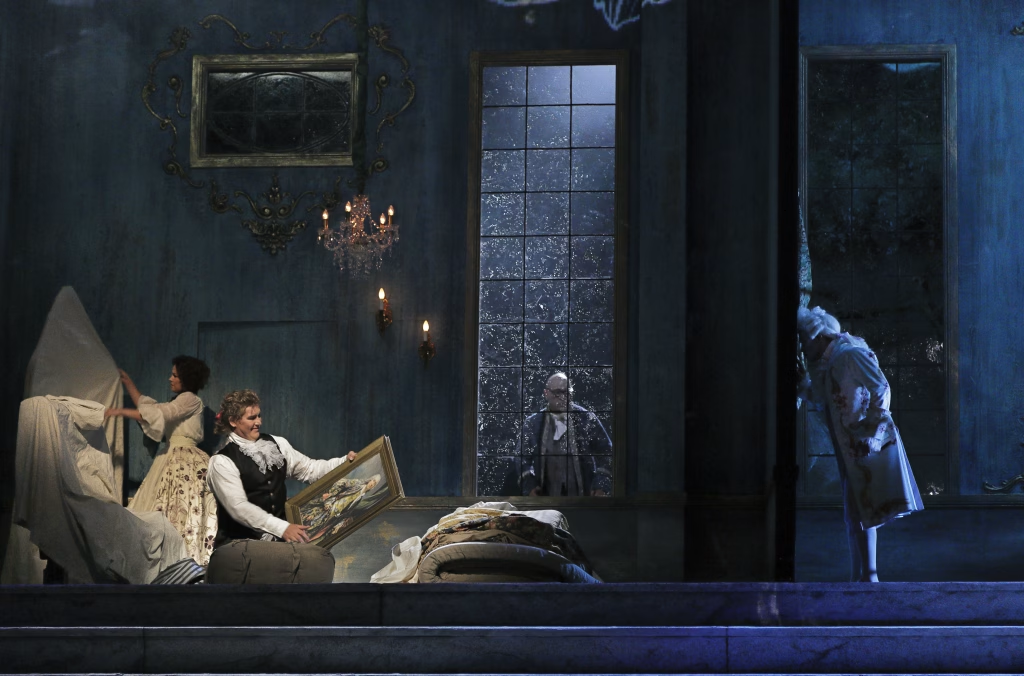
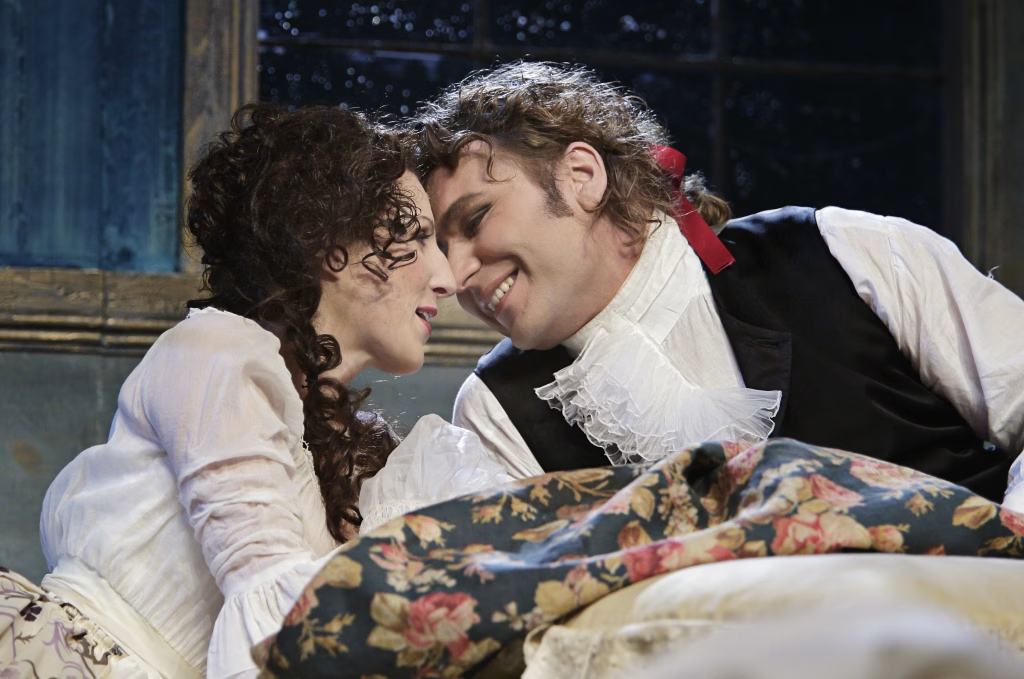
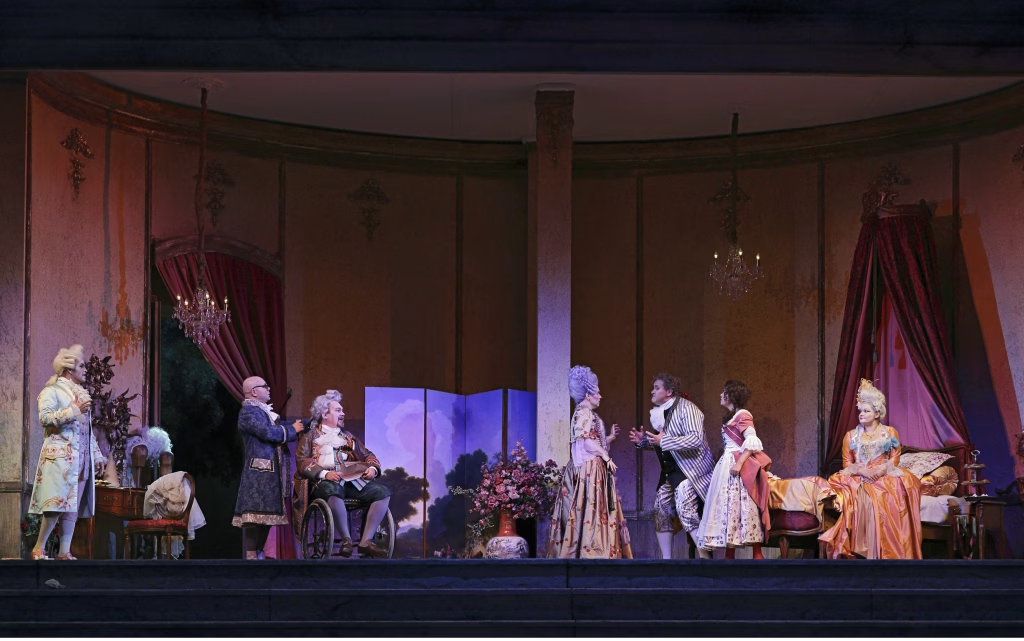
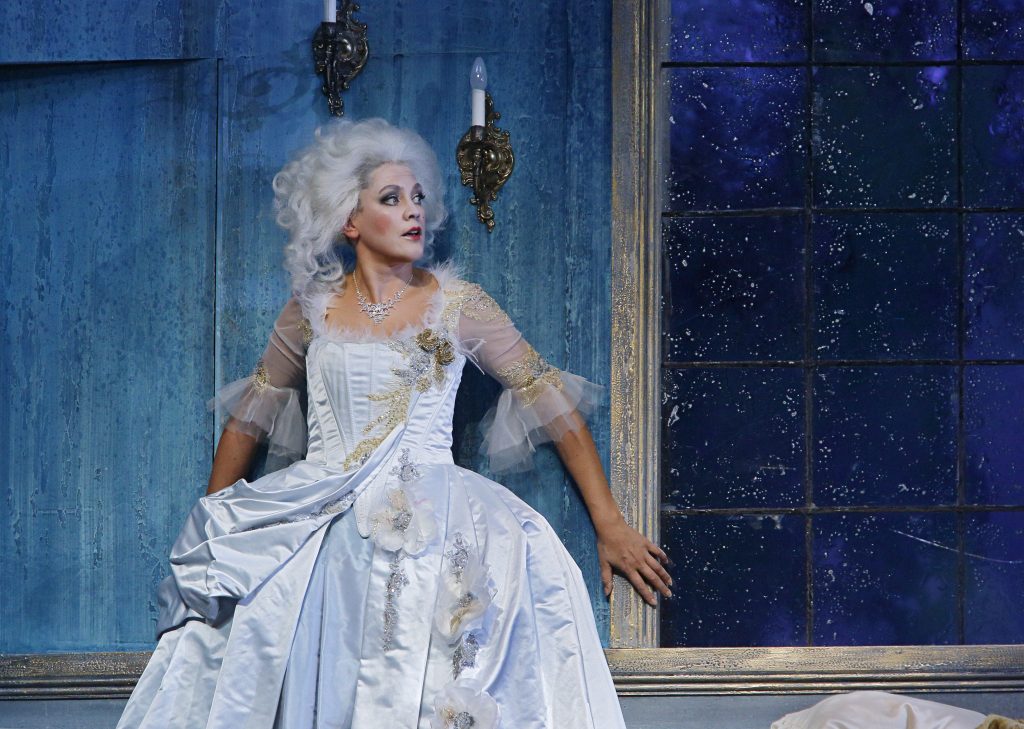
An unquestionable masterpiece
Creative team
- Music
- Wolfgang Amadeus Mozart
- Libretto
- Lorenzo da Ponte
- Director
- Anna Kelo
- Set Design
- Jani Uljas
- Costume Design
- Erika Turunen
- Lighting Design and Projections
- Mikki Kunttu
- Koreografia
- Riikka Räsänen
- Conductor
- James Sherlock
Cast
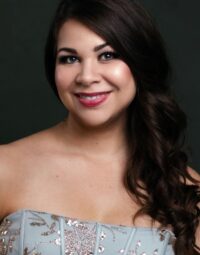




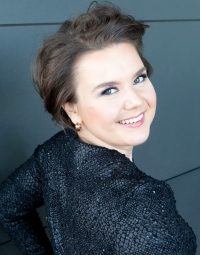








Performance-specific soloists are published in the performance listing.
Listen to the Le nozze di Figaro
You must accept functional cookies to listen to the playlist. To modify your cookie settings, go to cookie settings at the bottom of the page.
The keys to an entertaining evening
The performance takes place on our Main Stage, which has no fewer than 1,300 seats in its auditorium. Please note that the 3rd balcony is very high up. It provides an impressive view, but the front-row seats on this level may not suit those with a fear of heights. Explore the Main Stage and find out more about where to sit. You can also compare the view from different parts of the auditorium.
Price categories: Seats in the auditorium are priced according to the view of the stage and divided into eight price categories (A–H). In addition to seat location, the price is affected by the performance date and demand. Only standard-priced tickets are available in the lowest price categories (F–H).
Discounts
Discounts are available for selected productions, performances, and seats in the Stalls and the 1st and 2nd Balconies, unless otherwise indicated.
- Pensioners: €10 discount per ticket for selected seats in the Stalls and the 1st Balcony. The discount is available to all holders of the card for national pension recipients and anyone aged 65 or over.
- Students, military and non-military servicemen: 40% discount on the full ticket price.
- Children and those aged 20 and under: 40–50% discount on the full ticket price.
- Same-day tickets: A special rate of €30 per ticket is available for those aged 20 and under, students, military and non-military servicemen, the unemployed, and pensioners. The discount applies to seats in the Stalls, no earlier than 12 hours before the performance and subject to availability.
Please note that full-price and concessionary tickets for under-20s, students, and pensioners can be exchanged in our online store free of charge up to 24 hours before the performance. The value of the ticket(s) is credited to your customer account for later use.
Children and young people up to the age of 20 are eligible for a 40–50% discount on ticket prices.
Please note that children under the age of 5 are not admitted to Main Stage performances. The age recommendation for each production can be found at the top of its dedicated page.
For the best view, we recommend seats in the front Stalls or the centre of the 1st Balcony. If you’re unsure which seats would be most suitable, our customer service team will be happy to help you find the best options.
To ensure an enjoyable and memorable visit, see our Visiting with children page for more tips.
You can easily purchase accessible seats either through our online store or customer service. On the auditorium map, you can check the locations of accessible seats in the Main Stage auditorium (pdf, 510 kb). The accessible seats are marked with wheelchair icons to make choosing your seat easier.
Read more detailed instructions for purchasing accessible seats and ensure your visit is effortlessly enjoyable from start to finish.
The programme booklet provides background information about the production, its creators, and the story. It is published on the day of the premiere and can be purchased before the performance from the customer service desk in the Töölönlahti lobby, the sales desk at the Mannerheimintie entrance, all open counters of the Opera Restaurant, and selected members of our lobby staff. The price of the programme booklet is €7.
You can also buy the programme booklet in advance from our customer service desk or online via the Order refreshments page. See more detailed instructions here on how to purchase the programme booklet on the Order refreshments page.
The digital cast details for each opera and ballet, including the evening’s cast and creative team, are published online no later than on the day of the performance (please note that the link opens in a separate window). Cast details are also available on the displays and touch screens in the foyers, as well as under the My events tab in the mobile app.
Enhance your experience with refreshments. You can enjoy refreshments before the performance or during the interval. We recommend placing your order in advance, either through our online store or by calling our customer service. If tables are still available, online sales close no later than 24 hours before the performance.
Using the Opera&Ballet mobile app, you can order interval refreshments to a pick-up counter until shortly before the performance begins. Learn more about pick-up orders.
The Opera House is located in Helsinki by Töölönlahti bay. Our address is Helsinginkatu 58, which is well served by public transport.
The main entrance on the Mannerheimintie side usually opens 1.5 hours before the start of a Main Stage performance. Please make sure you arrive in good time, at least 15 minutes before the performance begins. Latecomers are only admitted after the interval so as not to disturb the performance.
At the Finnish National Opera and Ballet, our audiences and staff are committed to safer space principles. Everyone has the right to enjoy art in a safe environment, and we do not tolerate harassment, discrimination or inappropriate language or behaviour.
How to dress for the performance? Can I wear perfume? Do I need to pay for the cloakroom? Find answers to these questions and more on our Tips for visitors page. We have put together a comprehensive guide to help make your visit to the Opera House a success.