On Tuesday 3 Nov, our customer service point will exceptionally be open from 3 p.m. to 6 p.m.
ABOUT US
Sustainability
RESPONSIBILITY FOR PEOPLE, ART AND THE ENVIRONMENT
At the Finnish National Opera and Ballet, we put our hearts into all that we do. We want our work to be meaningful to others, too. This is why we also keep a close eye on our impact on people, society and the environment.
Responsibility is one of the four core values of the Finnish National Opera and Ballet, alongside creativity, appreciation and openness. We develop and monitor our sustainability work as part of our strategy and annual planning.
We focus on sustainability in four areas: artistic sustainability, environmental sustainability, social sustainability and good governance. This page highlights some of our current practices, actions we have already taken and work still in progress.
As the only professional opera and ballet company in Finland, we serve the entire society by offering high-quality opera and ballet experiences to different audiences and age groups across the country.
Now more than ever, we want to ensure that our performances reflect contemporary values and touch people regardless of their age and background. We work with a long term perspective, as the creative process of individual opera and ballet productions takes several years, and some productions can stay in the repertoire for years, even decades.
Stage24 delivers extraordinary experiences
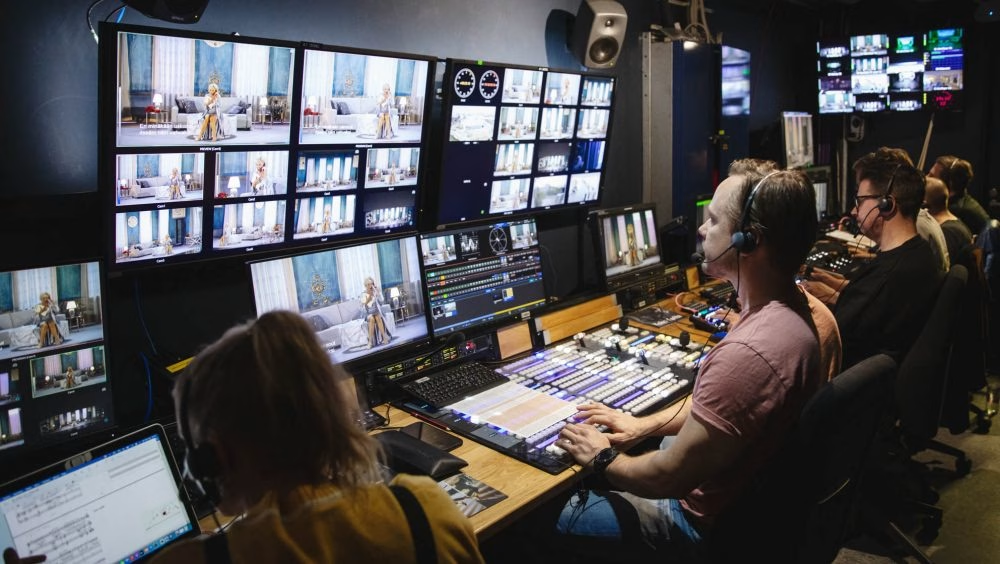
Our Stage24 service enables us to deliver full-length opera and ballet performances as live streams and recordings to those who cannot attend our performances at the Opera House in Helsinki. The service also contains shorter videos, audio recordings and background articles.
Through Stage24, we can reach considerably more people than we do with our live performances. In 2025, our digital reach was 493,559, while 235,147 people attended our performances at the Opera House.
In winter 2024, we also launched the Stage24 smart TV app, designed in collaboration with Sofia Digital, to provide an even higher quality user experience and personalized service. Some of the live streams are produced in collaboration with the Finnish Broadcasting Company Yle, and the European services ARTE Concert (external link) and OperaVision (external link). In 2026, we also launched our collaboration with Finnkino, bringing recordings of our performances to Finnish cinema screens.
Guidelines for reviewing representation
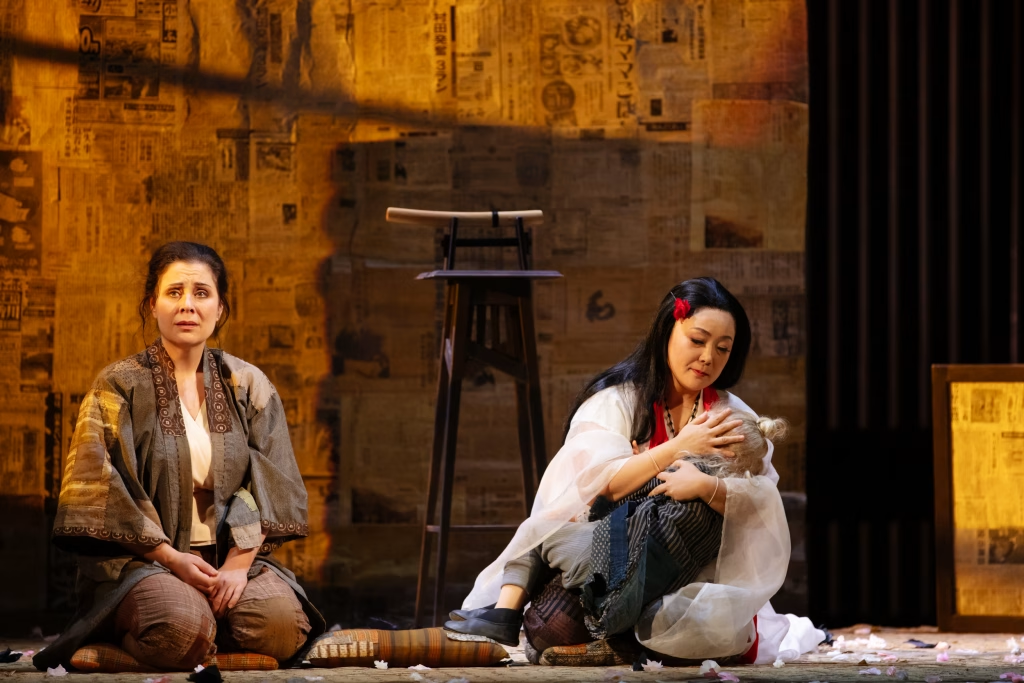
Many classical opera and ballet works portray minority characters through stereotypes. To better recognize and address this phenomenon, we introduced representation guidelines in spring 2023. The guidelines help us be more consistent in addressing the challenges of representation early enough in the production process. It is especially beneficial to review old productions with fresh eyes when they return to the stage.
Typically, representation challenges in opera and ballet relate to ethnic minorities (e.g., racialization, exoticism, and orientalism). The representation guidelines direct our attention to the portrayal of all minority groups. Body image, as well as the necessity and portrayal of violence and intimate scenes, are also examined.
We are conscious of the environmental impact of our work, and we want to take our share of responsibility for our common future. We are committed to conserving natural resources, and we base our decisions on research and measured data. Since 2011, our operations have been guided by our certified EcoCompass environmental management system (external link). We also closely follow Finnish and international developments and participate in creating solutions for the entire performing arts sector.
Carbon footprint calculation helps us target our environmental work
Our first carbon footprint calculation was based on data from 2019. The latest calculation covering all our operations is based on data from 2024, and we use it as the baseline for our emissions reduction targets.
According to the 2024 calculation, audience travel accounts for 62% of our total emissions. Excluding audience travel, our largest emission sources are purchased goods and services (60%), as well as production-related goods and services and capital investments (25%).
Thanks to renewable energy and energy efficiency, we have reduced the direct emissions from our own operations and the emissions from purchased energy to a minimum. In 2024, these emissions amounted to around 7.7 tonnes of CO2e. Having done all we can to avoid and reduce them, we compensate for the small amount that remains each year by funding a separately selected climate or nature project. Most of our carbon footprint comes from indirect emissions in our supply and value chains, such as audience travel. For these, we drafted a dedicated emissions reduction plan in 2026.
We carry out a carbon footprint calculation covering all our operations every three years, the next time being 2028.
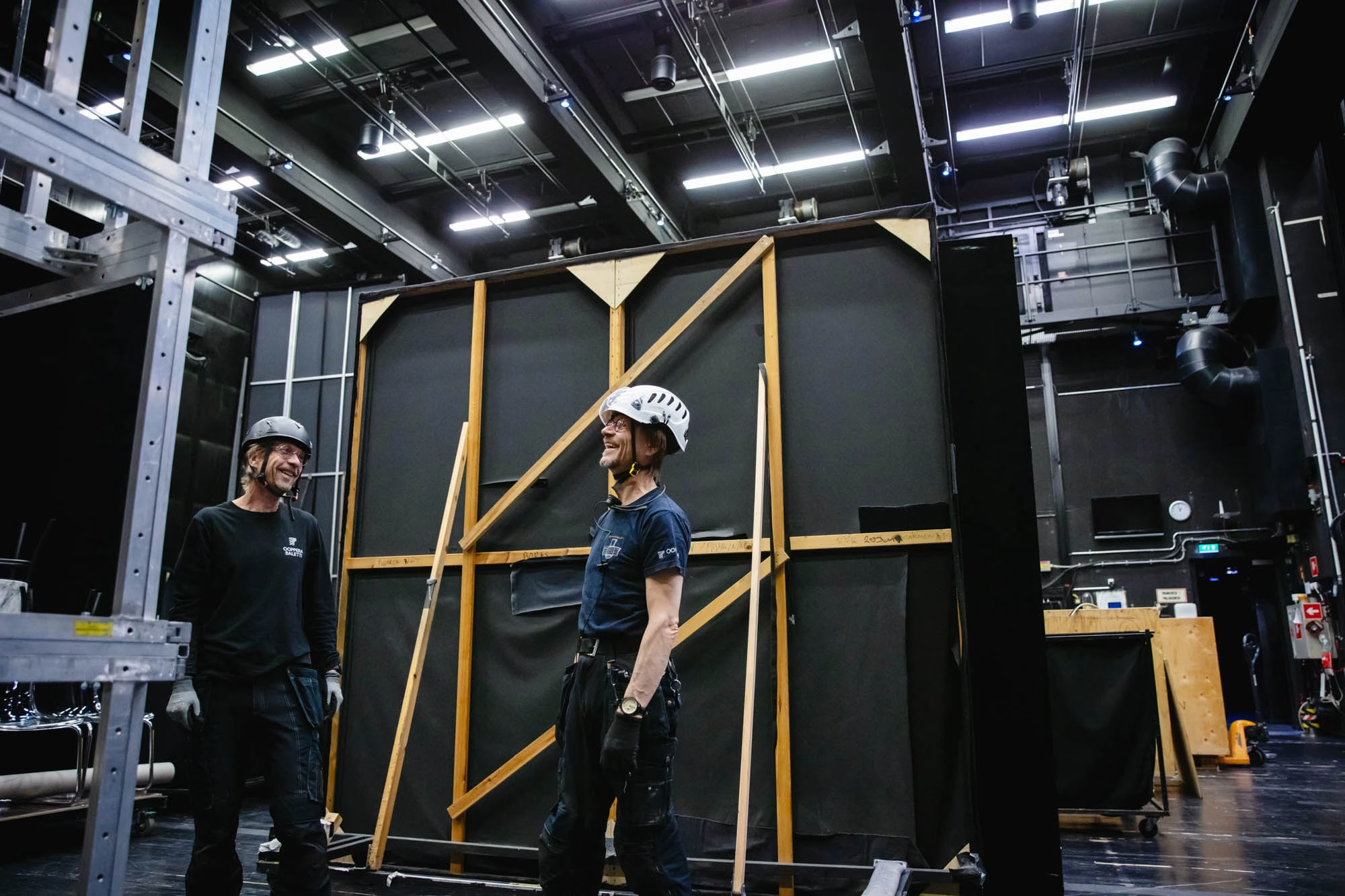
Our set designs prioritise modular and circular solutions to reduce the need to procure virgin metals and other materials. We make use of our stored stock of standard components, such as standardised metal and aluminium frames, and scenery wagons that can be reused in future productions.
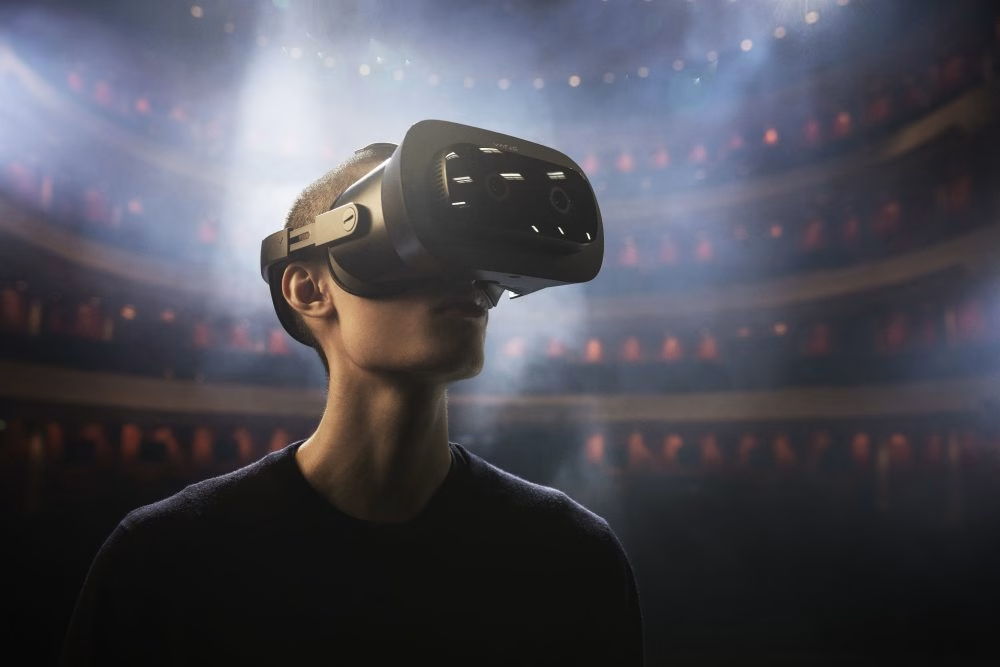
We carry out the early planning of our productions using a virtual stage, which we have developed for the digital modelling of sets, lighting and stage machinery. Its detailed models allow us to reduce both material use and the need for international creative teams to travel to the Opera House.
Once a production reaches the end of its life cycle, we separate and sort the various set materials. Any parts, furniture and props suitable for reuse are stored for future productions or passed on for reuse elsewhere.
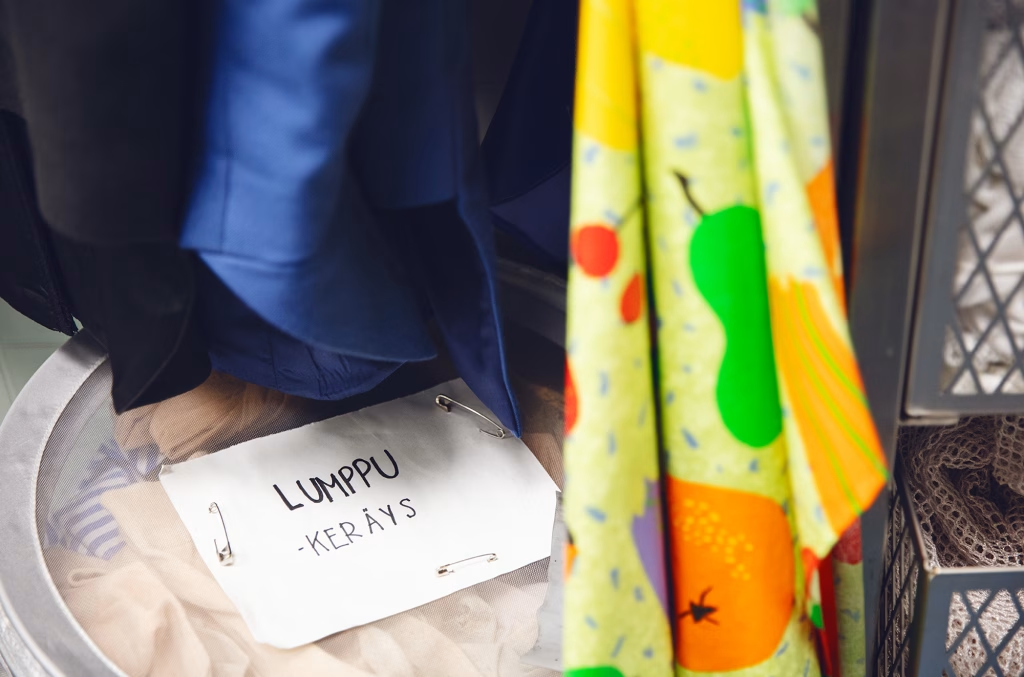
Costumes are designed and made to last. Many of them are used for decades and adapted for new casts and productions. Costumes that are no longer needed find new homes at the costume department’s popular flea markets, which are open to the public.
social sustainability
Social sustainability means taking responsibility for the people with and for whom we work. We continuously develop the wellbeing and safety of our work community, as well as the accessibility of our operations. We want to promote equality and diversity, and to strengthen inclusion and dialogue with our staff, audiences and other stakeholders.
Free performances surpass the paid ones
For over 30 years, Opera and Ballet’s Participation has offered free performances and participatory artistic activities for all ages across Finland. Participation activities make art more accessible and cultivate new generations of audiences and future performers.
In 2025, more than half (299) of our total performances were free. Our audience outreach visited 21 locations and reached 39,000 viewers and participants.
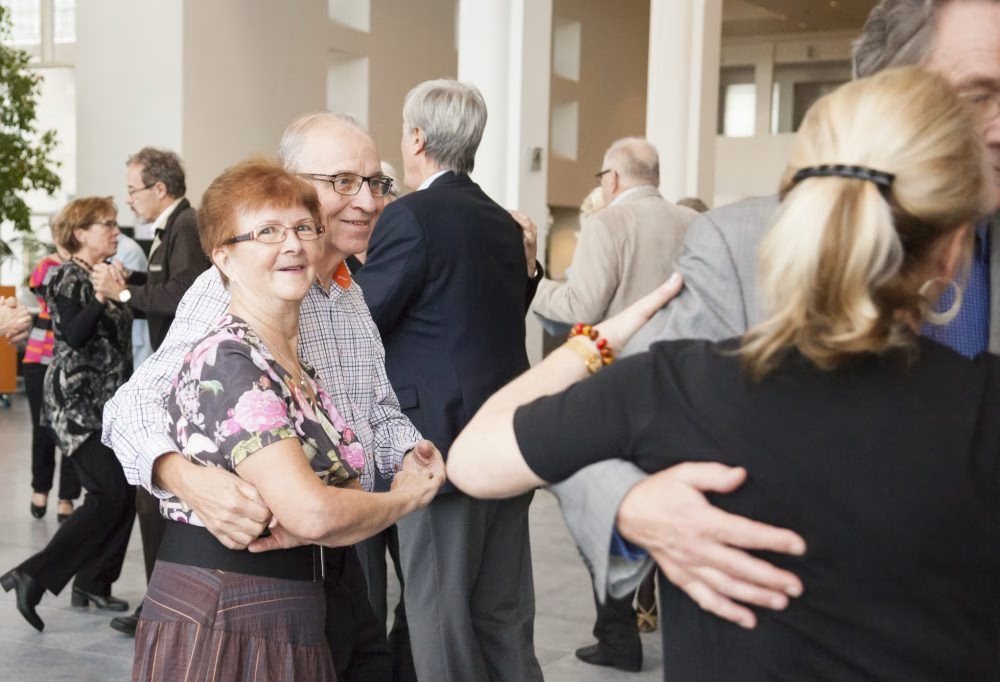
The key component of our Participation work is collaboration with schools, which includes dance workshops and school opera performances developed alongside professionals. For seniors, we host afternoon dances in the main foyer of the Opera House. These Tea Dances are also broadcast live to some care homes.
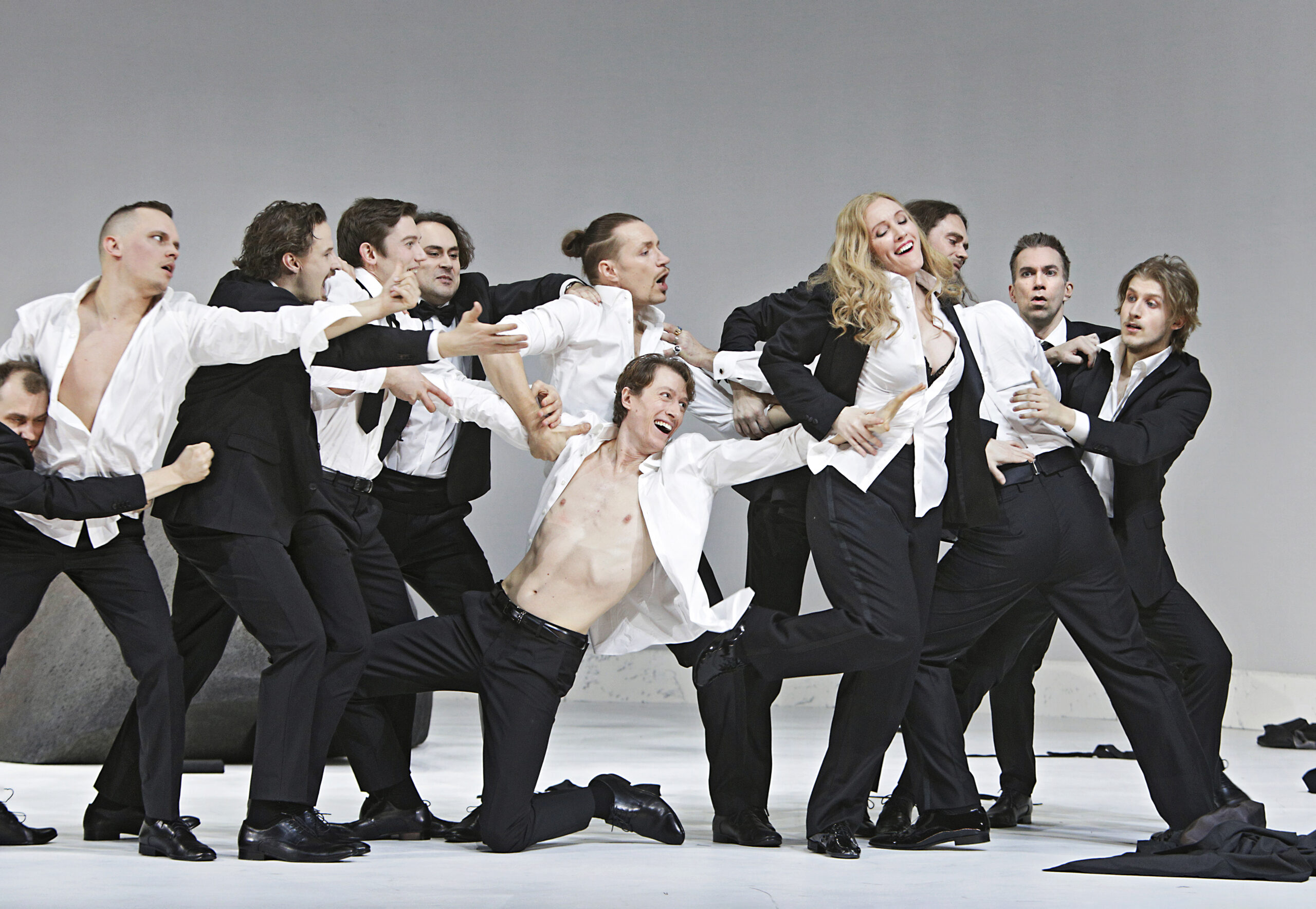
Richard Strauss: Salome; Mihails Čulpajevs, Sara Jakubiak; kuva Heikki Tuuli
Intimacy coordinator ensuring safety
We used the help of an intimacy coordinator for the first time in the Salome opera in 2022. An intimacy coordinator is a professional who aims to ensure the physical and psychological safety of the production team and performers in the intimate scenes of a production.
Starting from autumn season 2024, an intimacy coordinator will work with us at the start of rehearsals for every opera production, going through psychologically safe working methods with the entire team. Additionally, productions that require more assistance from an intimacy coordinator are identified.
Our intimacy guidelines for productions serve as a working model for staging sensitive scenes, guiding everyone involved in a production to work in the best possible way. We have also started training on the importance of consent and personal boundaries for the professional groups present in rehearsals and performances, so that our own staff can help create a safer working environment for performers.
Good governance means that we use public funds and our own funds with care, plan our operations and finances for the long term and report on them openly. For example, our procurement is guided by our sustainable procurement guidelines, and our investment policy includes sustainability and climate requirements. We aim to listen to our staff when developing our work, and we collaborate with a wide range of Finnish and international partners.
We are committed to the UN Sustainable Development Goals (external link). In 2021, we selected five key goals to which the Finnish National Opera and Ballet will particularly contribute: Quality Education, Decent Work and Economic Growth, Sustainable Cities and Communities, Responsible Consumption, and Peace, Justice and Strong Institutions. We consider these goals every time we review our focus areas.
The Ballet School now shares the Opera House
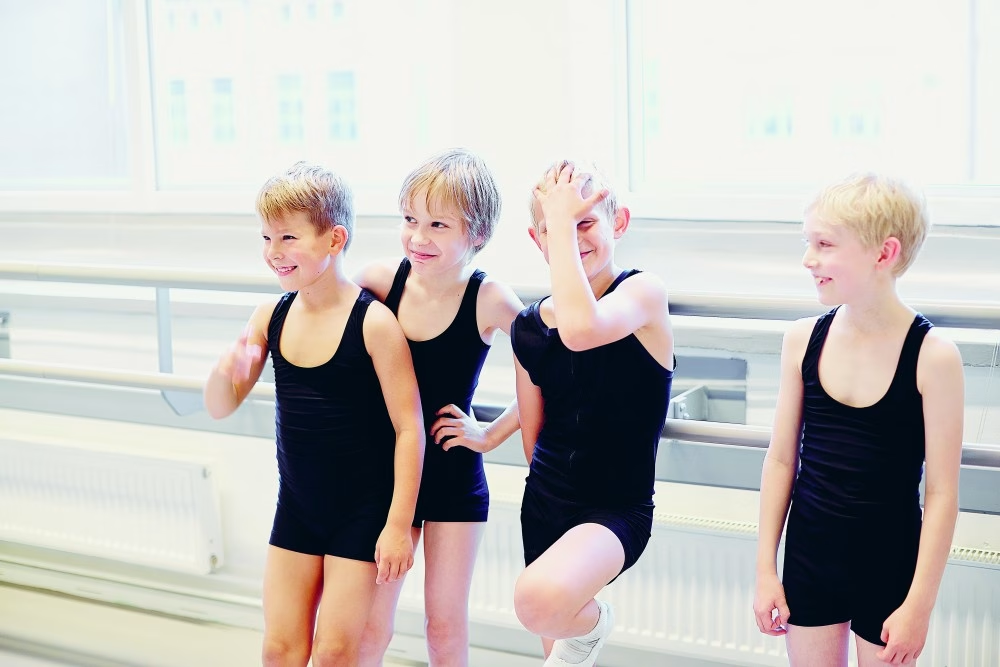
Our working days are brightened by the young ballet students whizzing through our corridors. The Ballet School of the Finnish National Ballet (external link) moved premises from Sörnäinen in East Helsinki to the Opera House in early 2022. Warehouse spaces were converted into three ballet rehearsal rooms as well as new dressing rooms and a break rooms. The move allows the Ballet School to collaborate even more closely with the professionals of the Finnish National Ballet.
Sharing premises makes our operations both more financially sound and sustainable. It also helps children and young people to collaborate even more closely with the professionals of the Finnish National Ballet and gives them a better grasp of what the profession of a dancer entails. The new premises also better serve the needs of visiting groups performing at Almi Hall and the productions of our audience outreach work.
The Ballet School teaches approximately 40 vocational students aged 16 to 18 and about 150 students aged 7 to 15 in basic arts education and ballet beginners’ classes.
Virtual stage design
Our virtual stage design tool Virtual Stage enables us to get as far as possible in our production planning well before the beginning of stage rehearsals. Immersive, three-dimensional stage renderings provide detailed information on the visual and functional aspects of a set, and make it possible to test different options to ensure both artistic and technical feasibility. Lighting and projection design can also begin in the virtual environment well before stage rehearsals start, contributing to the overall quality of the production.
The virtual model allows artistic teams based in different countries to work together, considerably reducing the need for travel. It also improves the reliability of final plans and prevents the production of unnecessary sets and last minute changes. This, in turn, means less wasted material and effort.